Pakistan see decline of Sunflower Yield | flood impact on agriculture
Pakistan’s corn and sunflower yield outlook declined. Flood impact on agriculture raises concerns about food security.
Introduction
Once again the recent floods and other extreme weather events have put Pakistan’s agriculture industry under pressure. Meanwhile maize and sunflower yield prediction indicate sharp drops. These endangered important crops have always played a vital role in agricultural field. Moreover the circumstances emphasise the nation’s two main challenges. So climate change and the urgent need for sustainable agricultural methods are the hazards posed. On the other hand they also guarantee food and energy security.
Climate change is the main cause of devastating droughts and floods that destroy crops. These causes are called unpredictable weather patterns. Meanwhile these patterns will also lower the supply of maize and sunflowers like vital crops. Moreover these patterns will not only affect farmers’ livelihoods but also jeopardize the country’s food security. Pakistan must adopt sustainable agriculture techniques to overcome droughts and flood destructions. On the other hand these issues must worsen in order to lessen climate change’s consequences. They also guarantee a steady supply of food for the future.
Flood Impact on Key Crops:
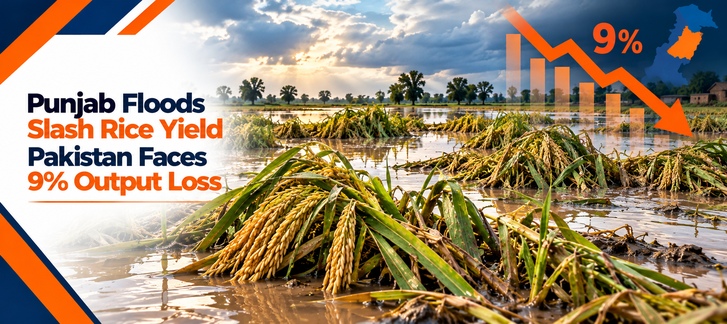
As we know, two provinces like Punjab and Sindh have been considered the largest agricultural belts. Meanwhile these belts have made major contributions to the production of maize and sunflowers in Pakistan. But unfortunately, floods have badly damaged these belts. Moreover farmers are reporting lower-than-expected yields for the current season. This is because many fields in Punjab are submerged. Thus the planting cycles have been disturbed and the soil fertility is affecting the yield.
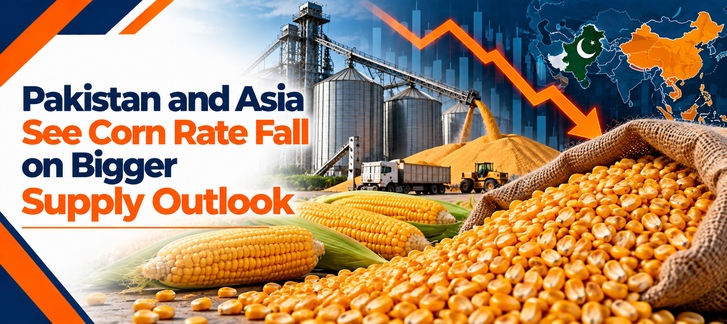
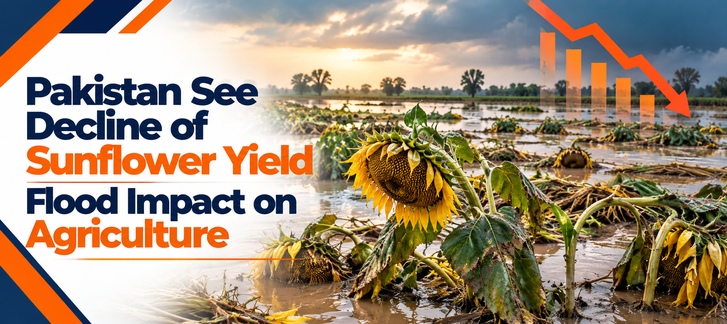
Production of corn, a major grain used for animal feed and human consumption, is suffering. The prognosis for sunflower output is also being revised downward, which might have an impact on Pakistan’s import bill because the nation currently depends mostly on imported cooking oil, as well as the domestic edible oil supply.
Global Context:
Corn and sunflower yield reflect deterioration in Pakistan. Meanwhile agriculture also faces these difficulties worldwide. Moreover in portions of Southeast Europe, flooding and recurrent summer heat waves have caused irreparable agricultural output losses. According to the European Union’s Monitoring Agricultural Resources (MARS) Unit. Corn and sunflowers are the most impacted crops that are affected worldwide. On the other hand they are also highlighting how climate shocks are changing the world’s food supply systems.
Any decrease in yield, particularly for sunflower oil, pushes global prices upward. After a dry summer, prices have already risen in Europe, suggesting that Pakistan’s domestic market may see increased consumer expenses in the months to come.
Economic Resilience:
Pakistan should invest in renewable energy sources for future development. These initiatives help Pakistan meet its energy security concerns in a modern way. Meanwhile, Pakistan should lessen its reliance on fossil fuels. This an other important innititive to keep up with global market trends. Furthermore, Pakistan must put laws in place that support sustainable farming methods. This may lessen climate change’s negative effects on food production. On the other hand, Pakistan must diversify its export goods and fortify its trade alliances. These changes leave a deep impact on the international market and also improve economic resilience.
Way Forward:
In order to reduce recurrent crises, policymakers and industry stakeholders must give the following top priorities:
They must have to purchase climate-resilient seeds to grow sunflowers and corn on an urgent basis.
They must adopt contemporary irrigation techniques that lessen the susceptibility to drought and flooding.
They will have to increase crop insurance coverage to shield farmers from climate change losses.
Collaborations between the public and commercial sectors will play a crucial role in the agriculture sector. They will also have to boost domestic oilseed production and lessen imports reliance.
Final Thoughts:
The ongoing flood provides a reminder of its susceptibility to climate extremes for Pakistan. Meanwhile these floods massively drop corn and sunflower production forecasts. Food and energy security hazards will only increase in the absence of immediate change and investment. At the same time, Pakistan’s economy protect and guarantee reasonably priced goods for its citizens. Global market realities depend heavily on our domestic policies.