The Future of Renewable Energy | Trends and Innovations in 2025
Zarea points out the most commonly utilized types of renewable energy, including solar energy, wind energy, and hydropower.
Introduction – Renewable Energy:
Renewable energy, often referred to as clean energy, originates from natural sources or processes that consistently restore themselves. For example, sunlight and wind are consistently present, though their availability may change with time and weather.
While renewable energy might appear to be a contemporary idea, people have tapped into nature’s energy for heating, transport, lighting, and various other uses for hundreds of years. People have utilized wind to drive boats and power windmills for milling grain. The sun has provided heat throughout the day and people have utilized it to start fires that continue into the evening. Nonetheless, in the past 500 years, there has been an increasing dependence on less expensive and more polluting energy sources such as coal and fracked gas.
The worldwide shift towards sustainable energy is accelerating as nations aim for sustainability and carbon neutrality. By 2025, technological advancements, favorable policies, and increased recognition of climate change are expected to drive substantial expansion in the sustainable energy industry. This article explores the key trends and developments that will shape the future of sustainable energy in 2025.
Types of renewable energy sources:
Solar energy
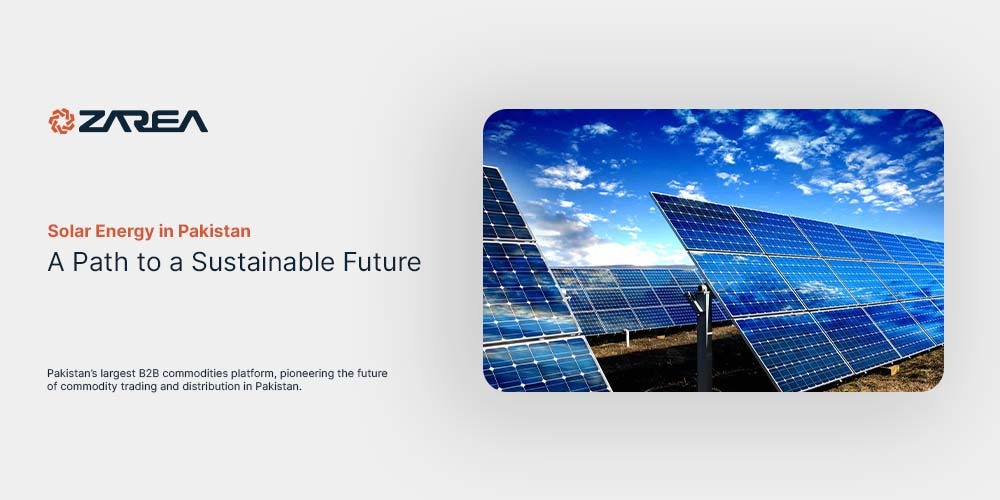
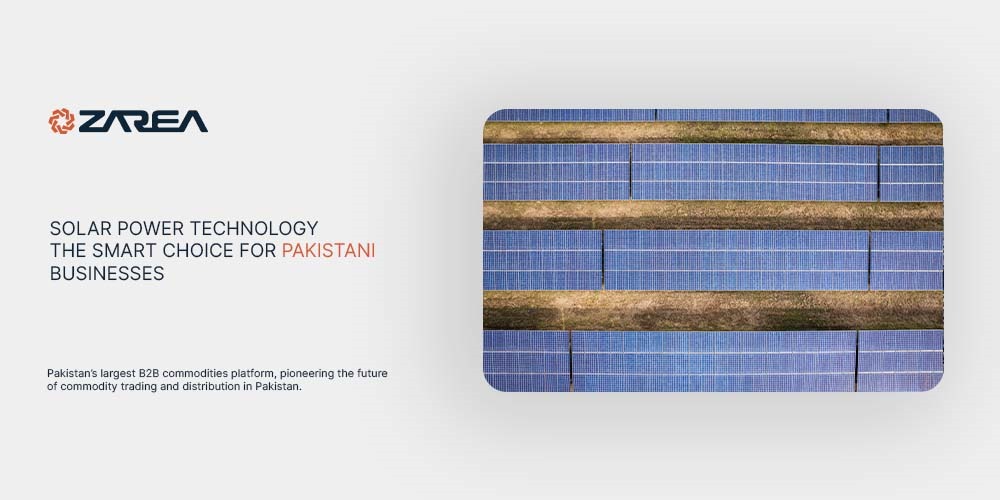
Manufacturers make solar cells, often referred to as photovoltaic (PV) cells, from silicon or related materials that transform sunlight into electrical energy. Distributed solar systems generate electricity locally for homes and businesses, employing rooftop panels or community projects that provide energy to entire blocks. Solar farms can generate sufficient energy for thousands of households by utilizing mirrors to concentrate sunlight across extensive areas of solar panels.
Wind energy
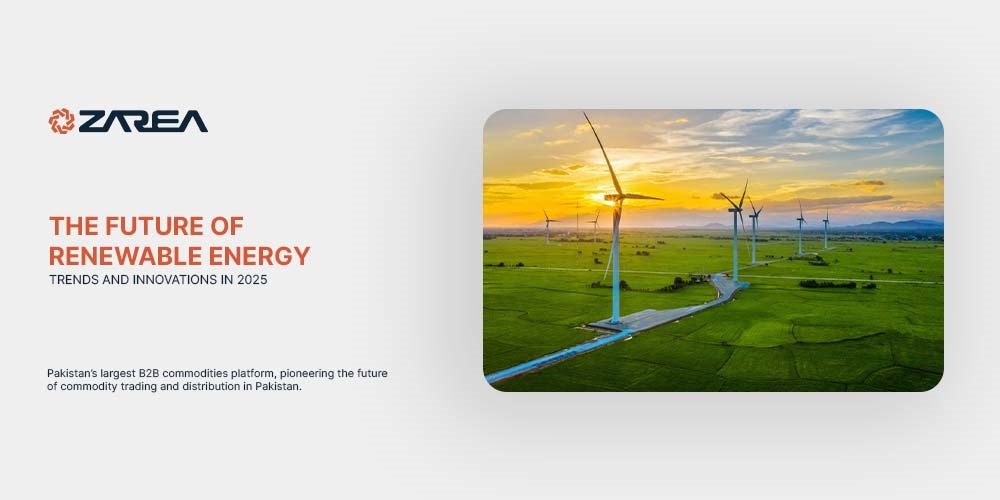
We have achieved considerable advancement since the era of classic windmills. Today, people can find turbines that soar to the height of skyscrapers and possess blades nearly as wide worldwide. Wind energy turns the blades of these turbines, which drive an electric generator to produce electricity.
Hydroelectric power
Currently, hydropower generates the largest source of renewable electricity in the United States, yet wind energy is expected to exceed it shortly. This type of energy relies on water, typically from swiftly moving rivers or falling water, to produce electricity by spinning the blades of a generator’s turbine.
Biomass energy
Biomass pertains to organic material originating from plants and animals, such as crops, waste wood, and trees. When we burn biomass, it emits chemical energy as heat, which we can harness to generate electricity via a steam turbine.
A lot of individuals mistakenly consider biomass to be a clean, renewable energy source and a more eco-friendly alternative to coal and other fossil fuels for generating electricity. Nonetheless, recent studies show that different forms of biomass, especially those obtained from forests, may release more carbon than fossil fuels. Moreover, there are negative impacts on biodiversity.
Key Trends in Renewable Energy for 2025:
Rapid Growth of Solar and Wind Energy
Sources of renewable energy such as solar and wind are at the forefront of electricity generation. Advancements in solar panel technology and wind turbine design are improving efficiency and reducing costs. Floating solar farms and offshore wind initiatives are gaining traction, utilizing spaces that were not used before.
Energy Storage Breakthroughs
Battery technology is evolving rapidly, as solid-state and enhanced lithium-ion batteries boost both energy storage capacity and longevity. Extensive storage systems will allow for the incorporation of fluctuating sustainable energy sources, ensuring a dependable energy provision.
Green Hydrogen Expansion
Hydrogen produced from renewable sources is emerging as a clean energy alternative for the transportation and industrial sectors. Improvements in electrolyzer technology are making the generation of green hydrogen more cost-effective and simpler to expand.
Decentralised Energy Systems
Microgrids and distributed energy sources are empowering communities to generate and manage their own energy. Peer-to-peer energy trading platforms are becoming more prevalent, enabling individuals to exchange surplus sustainable energy with each other.
Digitalisation and Smart Grids
The integration of AI, IoT, and blockchain is transforming our approach to energy management. Intelligent grids improve efficiency, reduce energy wastage, and allow for real-time observation alongside anticipatory maintenance.
Innovations Shaping Renewable Energy in 2025:
Perovskite Solar Cells
Perovskite solar cells will revolutionize solar energy through enhanced efficiency and lower production expenses. Their lightweight and adaptable design enables various applications, including wearable tech and solar panels incorporated into structures.
Advanced Wind Turbines
Bigger blades and higher towers on turbines are capturing more wind energy, enhancing power generation. Recent innovations in turbine materials and design are reducing maintenance costs and extending their operational life.
Bioenergy and Waste-to-Energy Technologies
Cutting-edge bioenergy methods are converting agricultural and industrial waste into renewable energy. Waste-to-energy plants are fulfilling a dual function by handling waste and generating sustainable energy.
Ocean Energy
Tidal and wave energy technologies are gaining popularity due to their dependability and potential. Research projects are exploring methods to efficiently harness ocean energy on a broader scale.
Carbon Capture and Utilization (CCU)
CCU technologies are merging with sustainable energy projects to capture emissions and convert them into valuable goods. This partnership is helping sectors reduce their carbon emissions and encourage a circular economy.
Challenges and Solutions in 2025:
Grid Integration of Renewables
The variable characteristics of renewable energy sources can pose difficulties for grid stability.
Solution: Utilizing cutting-edge energy storage and intelligent grid technologies will enhance adaptability and dependability.
Policy and Regulatory Barriers
Inconsistent regulations can obstruct the advancement of renewable technologies.
Solution: Authorities ought to establish transparent regulations and incentives to encourage the development of sustainable energy.
Financing and Investment
Significant initial costs remain a concern for major projects.
Solution: Partnerships between public and private sectors, paired with green bonds, can assist in financing renewable infrastructure.
Final Thoughts:
The forecast for renewable energy in 2025 looks bright, due to significant technological advancements and a global commitment to sustainability. Advancements in solar, wind, hydrogen, and energy storage are transforming the generation and consumption of energy. Zarea helps you by adopting these trends and collaborating to address challenges, countries can improve energy security, reduce carbon emissions, and generate a cleaner, more sustainable future.
FAQ’s:
What is called renewable energy?
Renewable energy comes from sustainable sources that will not run out. These energy sources are inherent, have the ability to renew themselves, and generally generate minimal to zero carbon emissions. Examples of sustainable energy sources include wind energy, solar power, bioenergy (derived from burning organic materials for fuel), and hydroelectric energy, which also includes tidal power.
What are the 5 renewable sources of energy?
There are five primary types of renewable energy: solar energy, wind energy, hydro energy, geothermal sources, and biomass fuels.
What is the difference between renewable and nonrenewable energy?
Renewable energy and nonrenewable energy represent two separate types of energy sources that power our world. sustainable energy is derived from natural and sustainable sources such as sunlight, wind, and water. Conversely, nonrenewable energy comes from finite resources like coal, oil, and natural gas.
Which is the best renewable energy?
Which type of renewable energy is the most efficient? It is commonly recognized that wind energy is the most effective way to harness sustainable energy.