
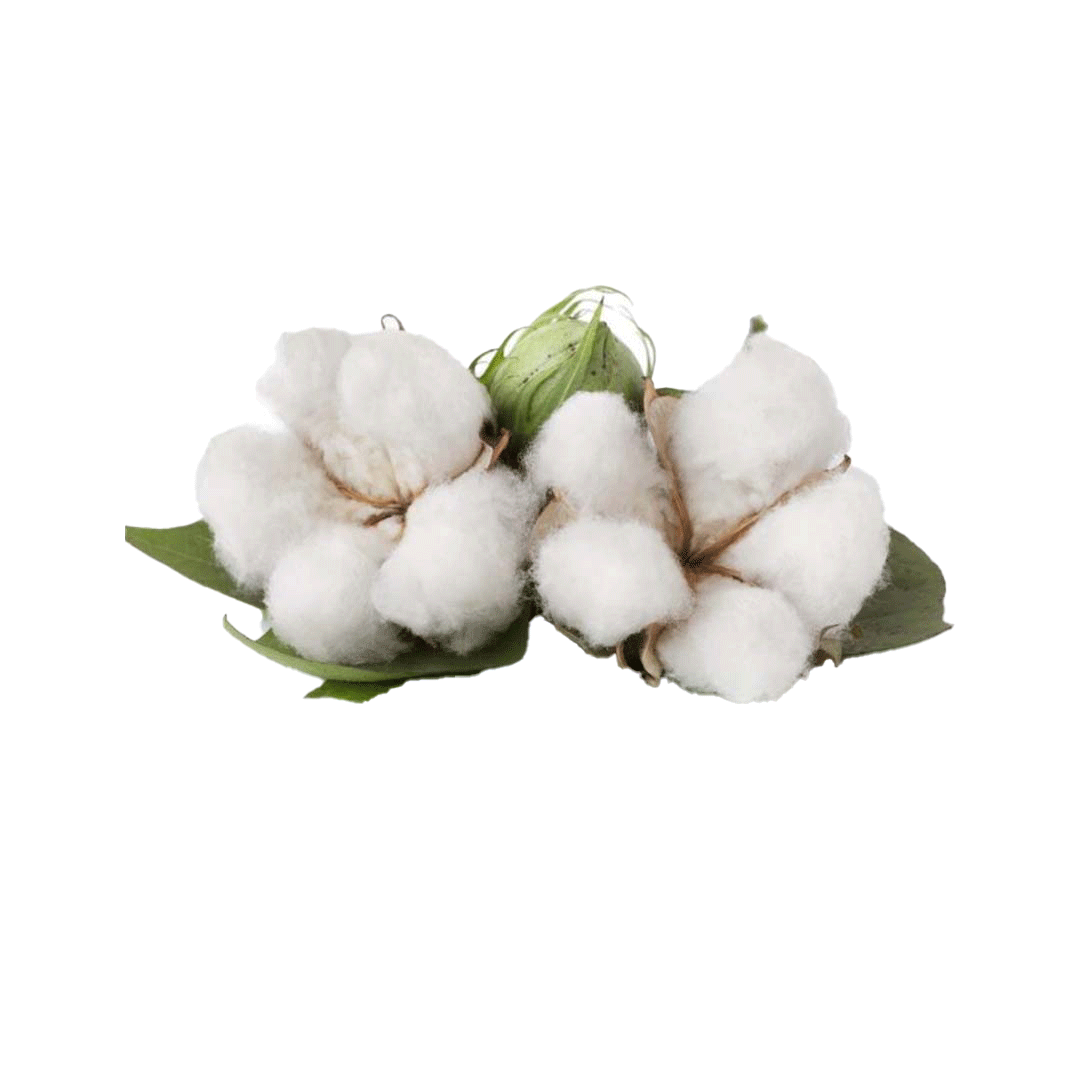
Organic Cotton
Organic cotton is more than just a fabric; it is a commitment to sustainability, health, and quality. By choosing organic cotton, consumers support environmentally responsible farming practices that protect the planet, improve the livelihoods of farmers, and deliver superior products that are gentle on the skin. Whether you’re purchasing clothing, bed linens, or home textiles, organic cotton offers a luxurious, sustainable, and ethical choice that aligns with the growing demand for eco-friendly and socially responsible products. Invest in organic cotton for a better future for you and the environment.
Note: Minimum Order Quantity 1500 Maunds
Delivery Charges based on Location
Organic cotton is a high-quality, environmentally friendly fibre that is grown without the use of synthetic pesticides, herbicides, or genetically modified organisms (GMOs). It represents a sustainable alternative to conventional cotton, offering benefits for both the environment and consumers. Organic cotton is not only better for the planet, but it also provides a softer, more natural feel, making it an ideal choice for those who prioritise health, sustainability, and quality in their textiles.
Key Features:
- Environmentally Friendly: Organic cotton farming practices are designed to minimise environmental impact. By avoiding synthetic chemicals and using natural methods such as crop rotation and composting, organic cotton farming helps preserve soil health, reduce water usage, and protect local ecosystems.
- Healthier for Farmers and Workers: Organic cotton production avoids the use of harmful chemicals, reducing exposure risks for farmers and textile workers, and promoting safer working conditions.
- Soft and Comfortable: Organic cotton fibres are often softer and gentler on the skin compared to conventional cotton. This makes it an excellent choice for clothing and textiles, especially for those with sensitive skin or allergies.
- No GMOs: Organic cotton is grown from non-genetically modified seeds, which supports biodiversity and helps maintain natural ecosystems.
- Sustainable Practices: Organic cotton farming often incorporates sustainable practices such as water conservation, reduced carbon emissions, and the use of renewable energy, making it a more eco-conscious choice.
- Certification Standards: Organic cotton is often certified by reputable organisations such as the Global Organic Textile Standard (GOTS), ensuring that the cotton meets rigorous environmental and social criteria throughout its production process.
Applications:
- Clothing: Organic cotton is widely used in apparel, including t-shirts, underwear, baby clothes, and activewear, providing a soft and breathable fabric that is kind to the skin and the environment.
- Bed Linens: Organic cotton is a popular choice for bed sheets, pillowcases, and duvet covers, offering a luxurious and sustainable option for a comfortable night's sleep.
- Towels: Organic cotton towels are highly absorbent, soft, and durable, making them a great choice for eco-conscious consumers who value both quality and sustainability.
- Home Textiles: Beyond clothing and bed linens, organic cotton is used in various home textiles such as curtains, cushion covers, and blankets, bringing an eco-friendly touch to interior design.
- Baby Products: Due to its gentle nature, organic cotton is often used in baby clothing, blankets, and accessories, ensuring that the youngest and most sensitive skin is protected by natural and safe materials.
Environmental and Social Impact:
- Reduced Water Usage: Organic cotton typically requires less water than conventional cotton, as organic farming practices improve soil health and water retention, reducing the overall water footprint.
- Lower Carbon Emissions: By eliminating the need for synthetic chemicals and promoting more efficient farming practices, organic cotton production can result in lower greenhouse gas emissions.
- Biodiversity Conservation: Organic cotton farming encourages biodiversity by avoiding GMOs and fostering natural habitats for wildlife, contributing to the overall health of the environment.
What buyers say about Organic Cotton
You may also like
Related products in Cotton and Yarn