Pakistan Rice | From Fields to Global Markets
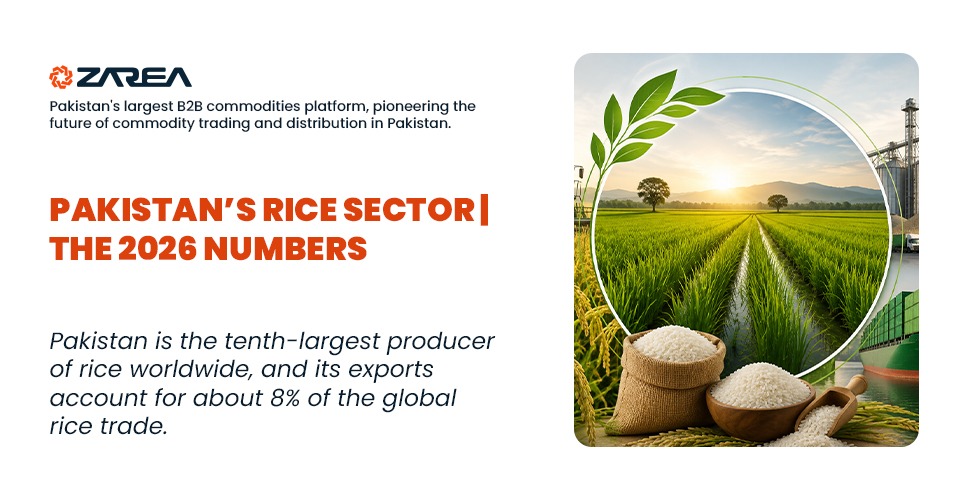
Pakistan is becoming a significant player in the world's rice markets thanks to its record-breaking rice production and exports.
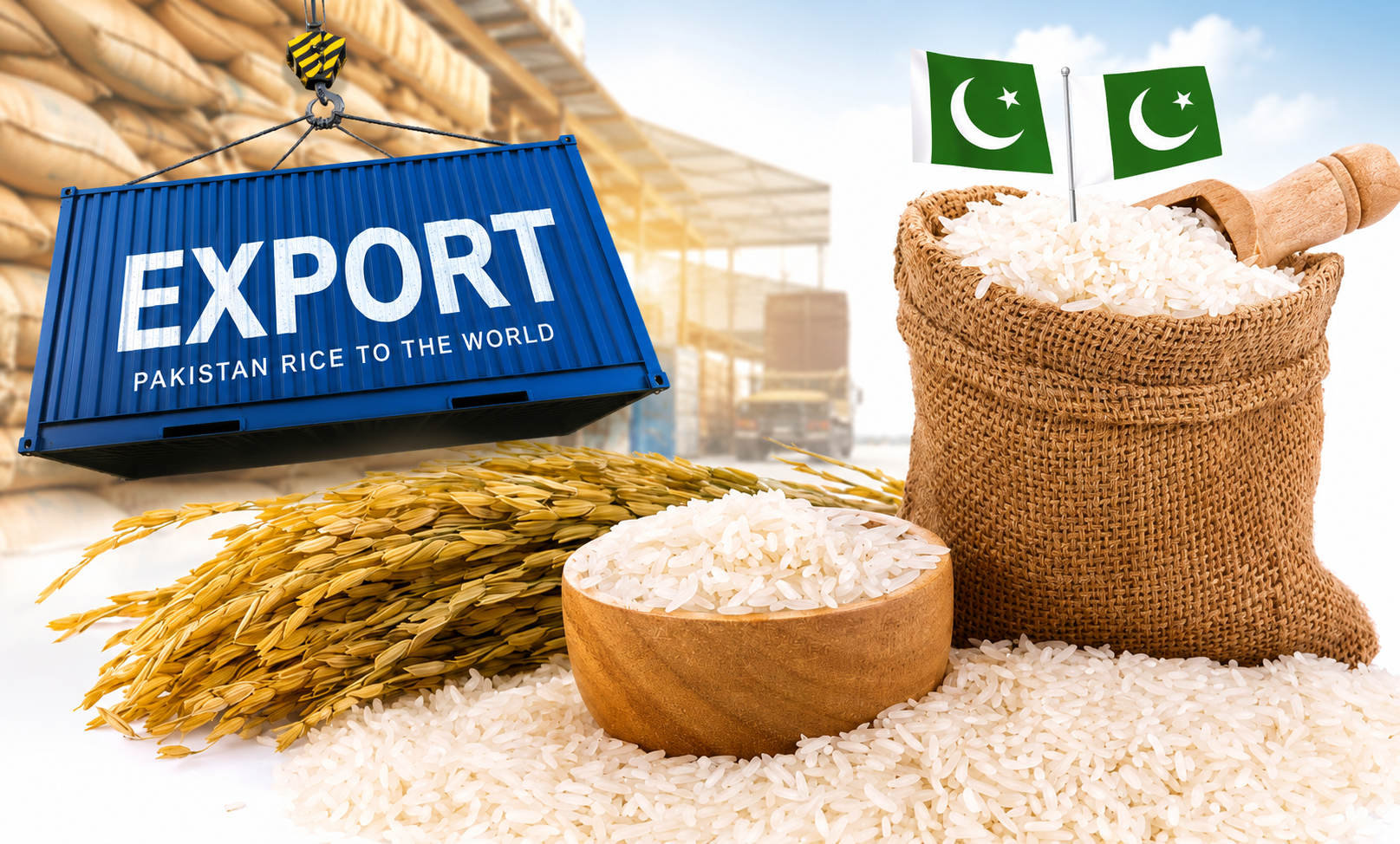
Introduction - Pakistan Rice:
Pakistan produces more than 8 to 9 million tons of rice every year. While most of the rice come from the lush plains of Sindh and Punjab. Additionally, it is one of the top exporters in the world. Also Pakistan is earning more than $3 billion in foreign currencies annually. Thus, the rice industry promotes national food security and serves as an anchor for rural jobs nationwide. As a result, rice industry gives local agricultural communities direct access to global markets in the EU, China, Africa, and the Middle East.
Pakistan's distinct topography and quick embrace of hybrid technology have made it a top-tier agricultural powerhouse. Because of this, its traditional Basmati rice has unrivaled culinary significance. Pakistan is now the third or fourth-largest exporter of rice worldwide. Additionally, it serves as a crucial link in the worldwide food supply chain. This is due to the fact that it is guiding price stability and international trade balances.
What comes to mind when you think about rice? For many, it's Pakistan, a nation that has subtly grown to be a major player in the world rice market. Pakistan's rice, from robust long-grain kinds to fragrant basmati, is a mainstay on tables all around the world. Are you wondering why this country is so important?
In this comprehensive tutorial, let's examine Pakistan's place in the world of rice!
Read More: Pakistan’s Rice Sector
Why Does Pakistan Produce More Rice Than Any Other Country?
In the world market for rice, Pakistan is a major player. as this market is among the top producers of rice. The economy of Pakistan depends heavily on rice. However, it does more than just give a sizable section of the population a means of subsistence. However, it also makes a significant contribution to agricultural exports.
Along with Vietnam, Thailand, and India, Pakistan is one of the world's leading producers of rice. Because of its ideal climate and lush grounds, the nation produces more than 8 million tons of rice annually. The core of this production is found in the provinces of Punjab and Sindh, where farmers toil diligently to produce rice that is adored worldwide. Which kind of rice is your favorite? Pakistan probably grows it!
Pakistani Rice: Why Choose It?
A significant portion of Pakistan's total export revenue comes from rice shipments. The nation is especially well-known for its superior Basmati rice. As a result, Pakistan benefits from the demand for rice in global markets. Non-Basmati rice exports also provide a significant contribution to foreign exchange profits.
Searching for both value and quality? Both are provided by Pakistani rice. It is flavorful, adaptable, and reasonably priced. Whether you're a trader, a chef, or simply a food enthusiast. Pakistan offers a range that is ideal for your requirements. Global market developments have an impact on Pakistan's rice sector. because it was impacted by shifts in the demand for rice and global pricing. However, it is also influenced by the trade policy of important importing nations.
A Pioneer in Basmati Rice:
Have you ever liked the way basmati rice smells? Then you've probably experienced Pakistan's pride. Pakistan is the world's top exporter of basmati rice. However, basmati rice is also renowned for its rich flavor and lengthy grains. Basmati rice accounted up a significant portion of Pakistan's 5.5 million tons of rice exports in 2023. It is in high demand in nations including the UK, Saudi Arabia, and the United Arab Emirates.
Pakistan has a huge worldwide influence on the rice industry. Indeed! You perfectly captured the reasons why bamati rice is a source of pride for the country. For Pakistan's agriculture industry, 2023 marked a significant turning point. Because it propelled as the high agricultural yields and an increase in worldwide demand. Additionally, this generates more than $2.5 billion in export earnings.
The Basmati Edge of Pakistan:
1) The geography: Only rich soils are suitable for growing true basmati. Consequently, the Indus River system feeds the mineral-rich soils, especially in the Punjab area.
2) The Aging Process: Before milling, premium Pakistani Basmati is usually matured for nine to twenty-four months. because rice moisture is dried out during this time. Additionally, it makes sure the grains don't clump together while cooked and intensifies the scent.
3) The Elongation: When cooked, the premium Pakistani Basmati grains double in length. Because of this quality, chefs all over the world are very interested in basmati.
Key Global Markets of Pakistani Rice:
1) Middle East: The two nations that eat the most premium-grade Basmati rice are Saudi Arabia and the United Arab Emirates. where classic Middle Eastern foods like kabsa and mandi are made with basmati.
2) United Kingdom & Europe: Growing popularity for gourmet ingredients and a large South Asian diaspora are the key drivers in the United Kingdom and Europe. As a result, the UK imports a lot of Super Basmati from Pakistan.
3) New Frontiers: Pakistan has increased both its Basmati and non-Basmati exports in recent years. Rice from Pakistan is exported to China, ASEAN countries, and African markets.
Final Thoughts:
From a traditional agricultural sector, Pakistan's rice industry has developed into a crucial worldwide economic engine. However, this sector is also a source of pride for the country. by taking use of the Indus River basin's distinctive topography. As a result, the nation's heritage Basmati has effectively penetrated upscale luxury markets. At the same time, Pakistan is using high-yield non-Basmati cultivars to secure important food corridors in Asia and Africa.
Rice from Pakistan supports millions of rural lives and generates over $3 billion in foreign currencies each year. While rice is a key component of Pakistan's economic stability, this industry also serves as an anchor for global food security. while global demand keeps growing. Similarly, Pakistan's capacity to bridge supply gaps throughout the world solidifies its long-term position. Because Pakistan is a vital giant in the world of agriculture.
References:
Meskay and Femtee: Pakistan’s Role in Global Rice
The Nation: Rice worth of $2.29b exported in FY2026