Types of Commodities: Hard, Soft, Agri and Industrial Explained
Learn the types of commodities, from hard and soft commodities to agricultural and industrial commodities, with examples, differences and key uses.

Wheat, cotton, crude oil, copper, and gold. Different in almost every way, except one: they're all commodities, the raw materials every economy runs on.
Understanding the types of commodities helps make sense of how these materials are classified, traded, priced, and sourced. What sets a commodity apart from an ordinary product is standardization.
A ton of wheat, a barrel of oil—they trade on grade and quality, not on a brand name. That's really the whole idea behind a commodities market. A buyer from Pakistan and i buyer from other countries can settle on a price without either one ever laying eyes on the other's stock.
Get the classification system down, and a lot of the confusion around procurement and pricing starts to clear up. At the broadest level, commodities split into hard (dug or drilled out of the ground) and soft (grown or raised).
But if you're the one actually placing orders, a more useful lens is agri versus industrial. This piece walks through the types of commodities, with a proper soft commodities list, some hard commodities examples, and a look at how it all plays out for buyers here in Pakistan.
What Counts as a Commodity?
A commodity is a basic physical good bought, sold, and traded in bulk, and it's standardized enough that buyers judge it on price and grade rather than whoever made it. Wheat, rice, cotton, sugar, crude oil, natural gas, gold, copper, steel: all commodities.
None of this is just trading-floor talk, either. Flour mills, textile exporters, construction firms, food processors, their margins live or die on commodity input costs.
When a mill owner checks wheat prices every morning, that's not idle curiosity, that's their profit margin staring back at them.
Which is part of why live commodity prices in Pakistan get watched as closely by manufacturers as by traders.
Hard vs Soft Commodities
Hard Commodities
Hard commodities are mined or extracted, never grown. And because supply hinges on geology and infrastructure rather than rainfall, these prices tend to move with industrial demand, currency shifts, and geopolitics far more than with the calendar.
Hard commodities examples:
• Energy: crude oil, natural gas, coal, gasoline, heating oil
• Precious metals: gold, silver, platinum, palladium
• Industrial/base metals: copper, aluminum, zinc, lead, iron ore
Soft Commodities
Soft commodities have a growing season, crops and livestock, essentially. Prices react quickly to weather, water supply, and yield forecasts because everything follows planting and harvest cycles. One bad monsoon can shift cotton prices faster than any mining report ever will.
Soft commodities examples:
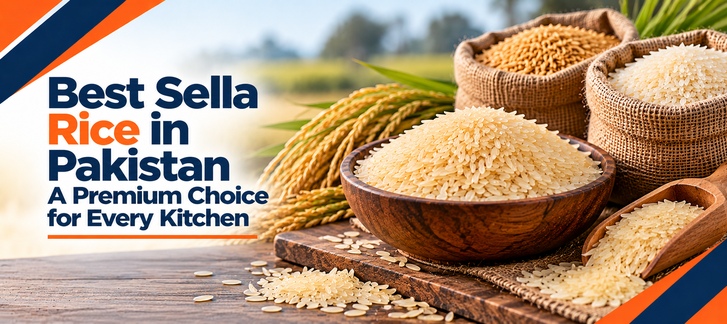
• Grains: wheat, rice, corn, barley
• Oilseeds: soybeans, canola, sunflower seeds
• Cash crops: coffee, cocoa, sugar, cotton
• Livestock: live cattle, feeder cattle, lean hogs
Wheat, cotton, rice, and sugar are the big four in Pakistan's soft commodity trade. For years, buyers sourcing these have relied on informal, relationship-driven networks, whoever you know, basically.
B2B commodity marketplace was built to give buyers and verified suppliers a more direct route to each other.
Agri vs Industrial Commodities
Traders default to “hard” and “soft.” Procurement people, on the other hand, usually think in terms of agri versus industrial, because that's closer to how a business actually buys.

The logic underneath it is fairly simple. A farmer can't just grow more wheat because demand ticked up mid-season, but a factory with spare capacity often can ramp output.
That gap explains why agricultural prices spike and crash around harvest time while industrial prices tend to track construction and manufacturing activity instead.
Very few Pakistani businesses sit neatly in one bucket or the other. A textile exporter is buying raw cotton (agri) and packaging materials (industrial) in the same quarter, and what they really need is sourcing that spans agriculture, construction, textiles, and energy, not five different suppliers for five different categories.
Other Commodity Categories Worth Knowing
Energy: Crude oil, natural gas, and coal keep transport and manufacturing running, and since fuel feeds into almost everything else, this category often sets the tone for other commodity prices.
Metals: Precious metals (gold, silver, platinum) get bought mostly for investment, while industrial or base metals (copper, aluminum, iron ore) go into construction and electronics.
Livestock: Cattle, hogs, feeder cattle. Feed costs and animal health move these prices at least as much as consumer demand does.
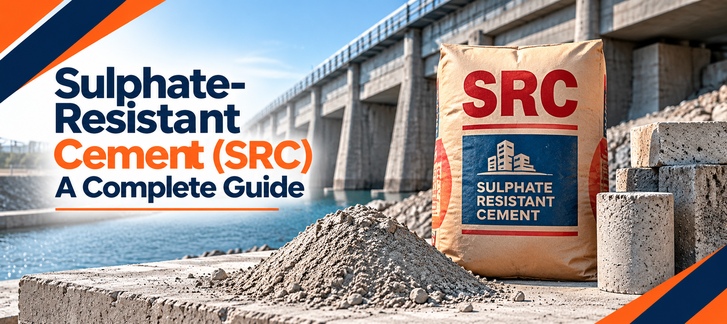
Construction commodities: Cement, bricks, and sand are commonly traded physical materials, but classifying all of them as a standard commodity category alongside energy, metals, agriculture, and livestock is not universally accepted. Understanding how cement is made can also help explain why cement is generally discussed as a construction material rather than a traditional commodity. Better to call them construction materials commonly traded in bulk.
Why the Classification Actually Matters for Buyers
This isn't a taxonomy exercise for its own sake. Knowing which category you're buying into changes how you actually buy:
Risk management. Soft commodities carry seasonal risk, hard commodities carry macroeconomic and geopolitical risk. A business sourcing across both ends up spreading that exposure rather than piling it all in one place.
Cash flow planning. Agricultural buying clusters around harvest windows, and that puts real pressure on working capital. Fast, flexible trade credit takes some of that pressure off when it's time to secure inventory.
What “quality” even means. A rice variety buyer is checking variety, grade, moisture content. A steel buyer is checking specification and tensile strength. The commodity itself decides what's on that checklist.
Total landed cost, not sticker price. The lowest quote on paper rarely wins if the freight terms, delivery timing, or minimum order quantity don't actually fit what the business needs.
How Zarea Fits Into This
Pakistan's commodity market has run on informal, relationship-based trading for a long time now. Zarea is trying to bring some real structure to that: live and historical price data across wheat, cotton, rice, pulses, and sugar; a verified buyer-supplier marketplace spanning both soft and hard commodity categories; digital trade credit with 72-hour decisions and no asset pledging required; trade, logistics, and analytics services, including an AI trading assistant for real-time market reads; and category-based sourcing across agriculture, cement, chemicals, coal, steel, and sugar.
Wrap Up
Commodities go a lot further than the oil, gold, and wheat headlines that usually make the news. At the broadest level, it's hard versus soft, mined versus grown.
At the procurement level, agri versus industrial tends to be the more useful lens for everyday sourcing calls.
Whether it's raw cotton for a textile mill or steel for a construction site, having real-time prices, verified suppliers, and credit that actually moves fast changes how confidently, and how cheaply, a business can buy.
FAQs
What are 5 examples of commodities?
Crude oil, gold, wheat, cotton, and copper cover the main bases, energy, precious metals, agriculture, soft commodities, and industrial metals, and together they're a decent snapshot of how wide the commodity market actually is.
What are the 4 main types of commodities?
Energy, metals, agriculture, and livestock. Energy and metals fall under hard commodities; agriculture and livestock fall under soft.
What's the difference between hard and soft commodities?
Hard commodities get mined or extracted, oil, gold, copper. Soft commodities get grown or raised, wheat, cotton, coffee, cattle.
Are agricultural and industrial commodities the same thing?
No. Agricultural commodities come out of farming and livestock, rice, wheat, cotton. Industrial commodities are mined, refined, or manufactured, steel, cement, chemicals, and they feed into construction and manufacturing rather than food.