Agriculture and Climate Change Effects in Pakistan
Explore how agriculture and climate change are very sensitive to the economic growth of Pakistan. It also relies heavily on land and water.
Introduction – Agriculture and Climate Change:
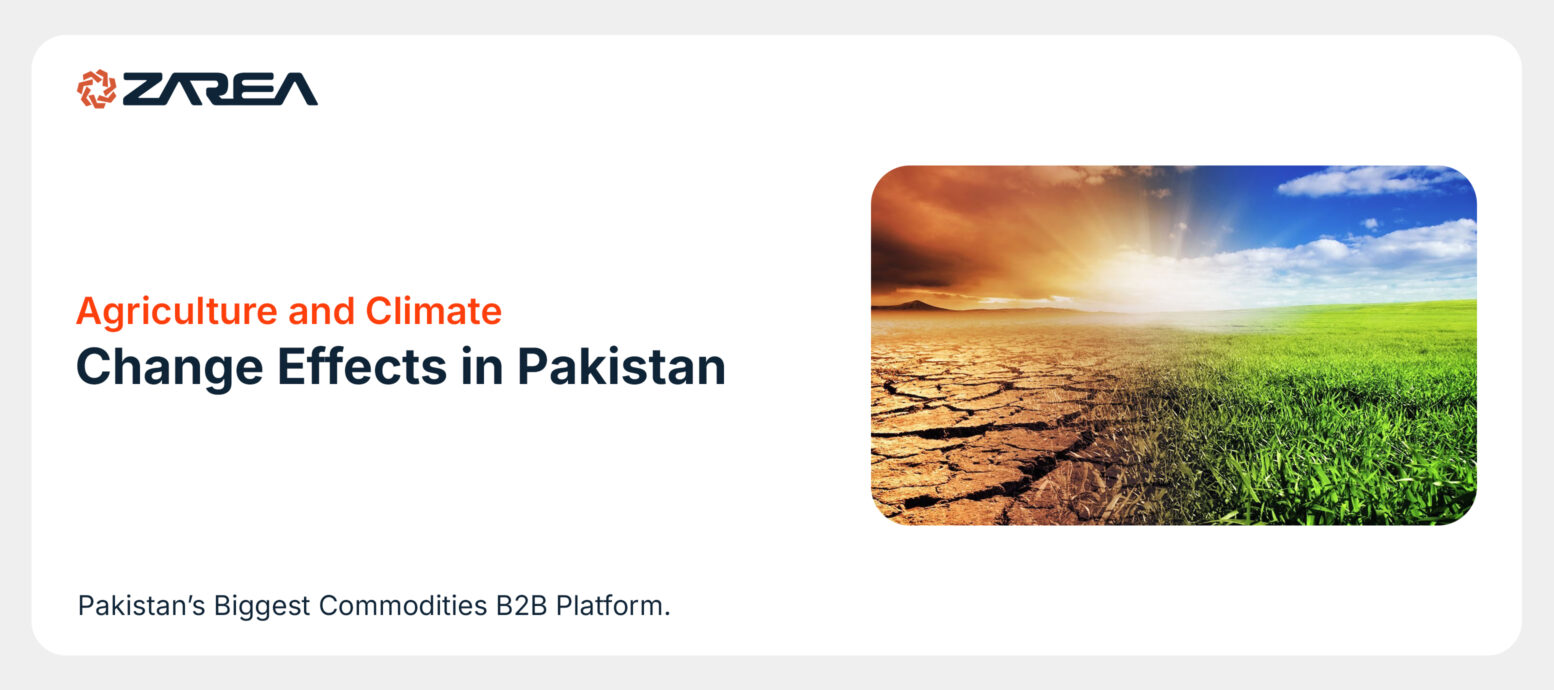
Agriculture plays a crucial role in Pakistan’s economy. It provides jobs for about 40% of the workforce and makes a huge contribution to the nation’s GDP. However, this essential sector is becoming more sensitive to climate change’s effects. Changes in weather patterns, water shortages, and severe weather events bring new difficulties to farmers. These environmental effects also affect decision-makers and the food supply chain.
Climate change significantly affects agriculture through different factors. These factors directly impact agricultural productivity that may include rising temperatures, intense rainfall, droughts, storms, and a high frequency of extreme weather events.
Agriculture is greatly influenced by the weather and the climate. It depends significantly on land, water, and other natural resources that are impacted by climate conditions. Changes in the climate, like shifts in temperature, rainfall, and frost timing, may extend the growing season or enable the cultivation of new crops in certain areas. However, these changes also complicate farming practices in other regions. This article examines how agriculture is affected by climate change in Pakistan, the negative consequences, and potential strategies to reduce these impacts.
The Connection Between Agriculture and Climate Change:
Agriculture in Pakistan relies significantly on natural resources, particularly water from the Indus River System. Climate change threatens these resources, which in turn affects crop production and food security. Increasing temperatures, erratic rainfall, extended droughts, and flooding have a direct effect on soil quality, pest populations, crop growth cycles, and livestock health. Crop yields in certain regions of Pakistan are already decreasing. Agriculture needs to adjust to the changing climate as effectively as possible. This can be achieved by improving irrigation efficiency, diversifying farming practices, and choosing drought-resistant species or varieties that are better suited to specific areas.
Main Impacts of Climate Change on Agriculture in Pakistan:
Unpredictable Rainfall
Inconsistent monsoon seasons and uneven rainfall patterns disrupt planting and harvesting times. This variability leads to waterlogging in certain regions while causing drought in others, which lowers crop yields.
Rising Temperatures
Elevated temperatures speed up the growth of crops but shorten the time for grain development, resulting in lower yields. Heat stress particularly harms essential crops such as wheat and rice.
Water Shortages
As glaciers melt and snowfall decreases in northern regions, river flows are becoming more erratic. Additionally, groundwater levels are declining, complicating irrigation efforts.
Increase in Pests and Diseases
Climate change is causing new pests and diseases to appear. Warmer temperatures provide ideal conditions for infestations, endangering crops and raising the demand for chemical treatments.
Soil Deterioration
Flooding, erosion, and overuse of chemical fertilizers are damaging soil quality. This leads to lower fertility and a reduced capacity to hold moisture, both of which are essential for sustainable farming.
Regional Impacts of Climate Change:
Punjab: Alterations in rainfall patterns jeopardize the productivity of wheat and sugarcane.
Sindh: Increasing sea levels and saltwater intrusion impact agricultural areas along the coast.
Balochistan: More frequent droughts restrict crop growth and the viability of livestock.
Khyber Pakhtunkhwa: Sudden floods and changing climate zones interfere with established farming practices.
Socio-Economic Effects:
The agricultural industry’s sensitivity to climate change influences food costs, job opportunities in rural areas, and the overall economic health. Small farmers are particularly impacted because they do not have the means to adjust to shifting environmental conditions. In Pakistan, agriculture accounts for 52% of employment, so any fluctuations in food crop production in these areas could significantly impact the economy.
As severe weather events grow more frequent and intense, floods and droughts can devastate crops and disrupt the food supply, leading to job losses in agriculture. Rising costs for farmers may make farming unsustainable for some, leading to reduced production, higher food prices, and the risk of starvation in certain regions of Pakistan.
Approaches for Mitigation and Adaptation:
Climate-Resilient Crop Varieties
Encourage the development and use of crop varieties that can withstand drought, high temperatures, and pests through collaborative research efforts from both public and private sectors.
Water Management Efficiency
Implement methods such as drip irrigation, rainwater collection, and canal lining to save water and improve irrigation effectiveness.
Agroforestry and Soil Preservation
Incorporate trees into agricultural practices to enhance soil health, reduce erosion, and serve as carbon storage.
Policy and Institutional Support
Create agricultural policies that are resilient to climate change, enhance weather forecasting systems, and provide training and financial assistance to farmers.
Public Awareness and Education
Inform communities about adapting to climate change and implementing sustainable farming methods.
How Can We Help?
There are several ways to lessen the effects of climate change on agriculture, including:
Use climate-smart farming techniques: Farmers can utilize climate prediction tools, grow cover crops, and implement other strategies to address climate-related challenges in production.
Enhance crop resilience: Implement scientifically-backed methods to mitigate the effects of climate change on crops and livestock, such as minimizing pesticide use and enhancing pollination.
Reduce food waste: Save money and lower your carbon footprint by planning your grocery trips wisely and storing food correctly. Consider donating surplus, untouched food to food banks and those in need.
Zarea’s Contribution to Agricultural Sustainability:
As Pakistan faces climate-related issues, Zarea can assist rural communities by:
Offering climate-smart farming tools and construction materials.
Promoting knowledge exchange and digital access to solutions that can withstand climate impact.
Maintaining supply chain effectiveness, even in the face of severe weather events.
Final Thoughts:
The impact of climate change on agriculture in Pakistan is significant and widespread. Nevertheless, by implementing proactive policies, adopting sustainable practices, and leveraging digital innovations, the country can strengthen its agricultural sector. It is crucial for the government, private sector, and farming communities to work together to ensure food security and support the livelihoods of millions.
A sustainable agricultural future is achievable—if we take action now.