Online Wholesale Marketplace: Buy & Sell in Bulk
Discover what an online wholesale marketplace is, how it works, and why global buyers and sellers use it to trade commodities in bulk, securely and efficiently.

Put simply, an online wholesale marketplace is a digital space where businesses buy and sell goods in bulk directly with each other. There's no broker in the middle, no trading floor, no sitting on hold to get a quote.
Buyers and sellers just show up, look at what's available, compare a few prices, and close the deal.
That's a real departure from how sourcing has usually worked. Pricing, verified suppliers, and the transaction itself all move out into the open instead of staying behind a phone call.
Below, we'll get into what a digital wholesale marketplace actually is, why businesses bother switching to one, when it makes sense to use one, and what the process looks like in practice, plus a real example.
What Is an Online Wholesale Market?
At a basic level, an online wholesale market is a platform where businesses, manufacturers, distributors, traders, and buyers, transact in bulk rather than one unit at a time.
Everything on it is scaled for business volume: tons of grain, container loads of raw material, bulk lots of industrial goods. It's not built for someone buying a single item; it's built for someone buying a lot of the same item, regularly.
What makes an online wholesale market genuinely useful is that it doesn't care where you're sitting. A buyer in one country can source from a seller in another without either side needing to already know the other.
Verified profiles and standardized listings do the job that a personal introduction used to do.
On platforms built around commodities specifically, this idea goes a step further, closer to a commodity exchange market, where pricing reflects current conditions rather than whatever number a supplier decided to quote that day.
Buyers can actually see where the market stands before they commit.
Why an Wholesale Marketplace Matters
Traditional wholesale trade isn't broken, exactly. It's just limited. A few of the usual pain points:
You only see the suppliers you already know about, which caps your options
The same goods can sell at wildly different prices depending on who's asking
Sourcing and negotiating a deal can eat up days, sometimes weeks
Most buying stays local, even when a better deal might be sitting one country over
An wholesale marketplace fixes a lot of this just by putting supply and demand in one place. A buyer can pull up several verified sellers at once instead of working through them one by one, and a seller suddenly has access to demand well outside their usual circle.
For businesses trying to source across borders rather than just down the road, that's a real advantage.
This is also where commodity market trading habits creep in, checking the going rate before buying, the same way a trader would check prices before placing an order. It's a small habit, but it saves money.
When Should a Business Use an Online Wholesale Marketplace?
Not every purchase calls for a marketplace. But a few situations make one worth the switch:
Scaling up procurement, when one local supplier can no longer keep pace with what you need
Entering a new market, where you don't yet have a supplier network to lean on
Chasing better pricing, when margins depend on getting a competitive rate instead of taking whatever's quoted
Spreading out supply risk, so one supplier's delay doesn't shut down your whole operation
Wanting things on paper, with documented transactions and verified counter parties instead of a handshake deal
How an Online Wholesale Marketplace Works
The process tends to follow roughly the same shape across most platforms:
Verification and Onboarding
Buyers and sellers sign up and go through a verification step first. The platform confirms you're a real, legitimate business before you can list anything or buy anything.
Product Discovery
Instead of calling suppliers one at a time, buyers browse listings sorted by commodity type, grade, quantity, or origin.
Price Comparison
Pricing is visible and current, so a buyer can line up a few offers side by side, much like checking a B2B commodity exchange market before deciding to trade.
Negotiation or Direct Purchase
Some deals get negotiated directly; others are bought at the listed price. Either way, the terms and quantities end up documented, not just agreed to verbally.
Payment and Trade Facilitation
Payment happens through the platform, and often there's an option for trade credit or financing, which takes some of the pressure off large bulk orders.
Logistics and Fulfillment
Once the deal's confirmed, the marketplace (or its logistics partners) usually takes care of delivery, paperwork, and tracking from there.
Online Wholesale Marketplace vs Traditional Wholesale Trade

A Practical Example
Take a food processing company that needs a reliable, large-volume supply of wheat or sugar. Sourcing from one local dealer works fine, until that dealer runs low or bumps the price up without warning.
On an online wholesale marketplace, that same buyer can pull up several verified sellers, check where prices currently stand, and even tap into trade credit to make the purchase without draining cash flow, all without leaving the platform.
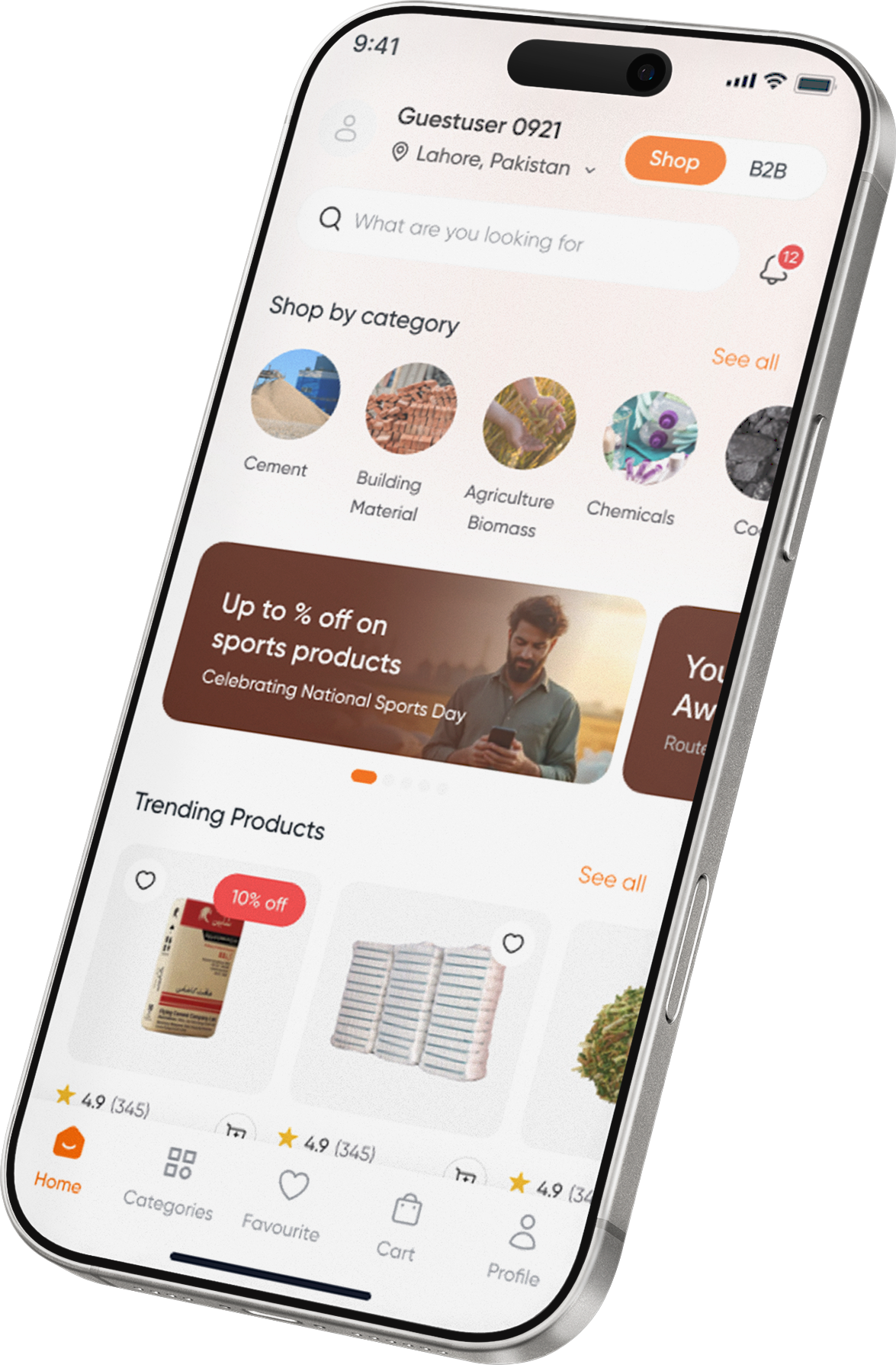
This is basically the model behind commodity-focused platforms today. You can go in and buy and sell commodities across several categories in one place, browse listings by commodity category instead of hunting through separate supplier lists, and lean on tailored business sourcing solutions when your needs don't fit a generic listing.
There's also flexible trade credit for handling bulk purchases without locking up your working capital. The whole thing starts to feel less like a bunch of scattered local deals and more like an actual market, where everyone's working off the same prices and the same rules.
Choosing the Right Online Wholesale Marketplace
A few things matter more here than how big the catalog looks:
Verification standards: how carefully buyers and sellers get checked before they're allowed to trade
Pricing transparency: can you actually see current rates, or are you still guessing
Payment and credit options: does the platform support financing for larger orders
Category depth: is it built for your specific goods, or just a general catalog that happens to include them
Cross-border capability: can you source beyond your own country if that's what you need
Wrap-Up
Bulk trade doesn't have to run on who you know anymore. An online wholesale marketplace lets you see real pricing, check who you're actually dealing with, and close deals faster than the old phone-and-handshake approach ever allowed.
If you're trying to scale up procurement, get into a new market, or just stop overpaying because you never checked around, this is usually where that starts.
Businesses that make the switch early tend to end up with supply chains that hold up better, simply because they're not still depending on one dealer picking up the phone.
FAQs
What is an online wholesale marketplace?
A digital B2B platform where verified businesses buy and sell goods in bulk directly with each other. No broker in between, just visible listings, real pricing, and a documented deal at the end.
How does an online wholesale marketplace work?
You register, get verified, then start browsing or listing bulk products. From there it's compare pricing, agree on terms, and complete the deal on the platform itself, which usually also covers payment, credit, and sometimes logistics.
What is the best online wholesale marketplace?
Honestly, it depends on what you're buying or selling. A general marketplace works fine for a wide mix of goods, but if you're dealing specifically in commodities, a platform built around that niche is going to give you sharper pricing data and tools that actually fit.