What Is Rice Bran? A Beginner’s Guide to This Ingredient
What exactly is rice bran? Learn about its powerful nutritional value, unique health benefits, and common culinary uses in our beginner's guide.
Introduction:
When you picture a bowl of steamed white rice what comes to mind first? You are looking at a grain that has traveled on a long culinary journey. But have you ever wondered what happened to the rest of the grains? The humble rice kernel underwent a major transformation. Because the rice kernel strips away its most nutritious layers first before it reaches your dinner table.
That forgotten outer shell of rice kernels is called rice bran. Because it is quickly moving from the sidelines of agricultural byproducts to the spotlight of modern wellness.
If you stumbled upon this ingredient in the health food aisle. Or it could be used in a skincare bottle. Or it could be placed on a supplement facts label. You might be asking yourself some questions. What is rice Bran? Why is everyone suddenly talking about rice bran? Let’s explore this ultimate beginner’s guide to unlock the secrets of this nutrient-dense superfood.
What Is Rice Bran?
We have to take a quick look at the anatomy of a rice grain before we understand what is a rice bran. Basically a whole and harvested rice grain consists of three main parts. This includes the protective outer hull and the nutrient-rich bran and germ. While the third one is the starchy white endosperm inside called rice.
Factories peel away the hull and polish off the brown outer layer when they turn brown rice to make white rice. This powdery, light-brown flaky material is rice bran. For centuries, this layer was treated as a mere milling byproduct, mostly saved for animal feed. However, food scientists eventually realized that by discarding the bran, we were throwing away the absolute healthiest part of the plant.
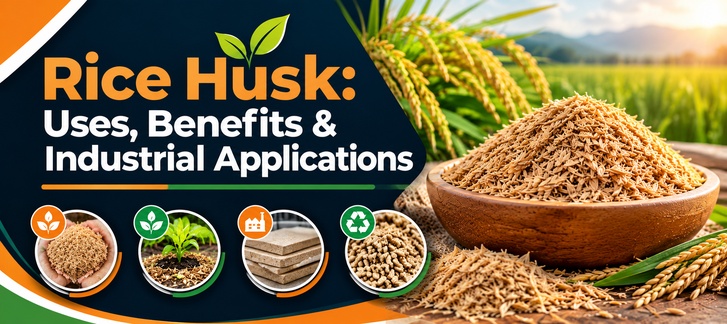
If you want to purchase then you can order here: Rice Husk
The Ultimate Rice Bran Nutrients Profile:
Rice bran is an absolute nutritional powerhouse. So don't let its humble origins fool you. Because it crams an astonishing concentration of vitamins and minerals. While it also crams healthy fats are in a tiny package.
You are fueling your body when you consume stabilized rice bran.
1) Dietary Fiber: It is exceptionally high in both soluble and insoluble fiber. While this fiber acts as a prebiotic for your gut's health and feeds its bacteria.
2) Plant-Based Protein: Rice bran contains high-quality and easily digestible proteins that contain essential amino acids.
3) Healthy Lipids: It consists of 15% to 23% healthy fats as well. This includes monounsaturated and polyunsaturated fatty acids.
4) B-Complex Vitamins: It is naturally rich in the vitamins B1 (thiamine) and B3 (niacin). While it also has B6 (pyridoxine), which basically powers your cellular energy.
5) Essential Minerals: A single serving bowl delivers robust doses of magnesium and phosphorus. While it also contains huge amounts of iron and potassium.
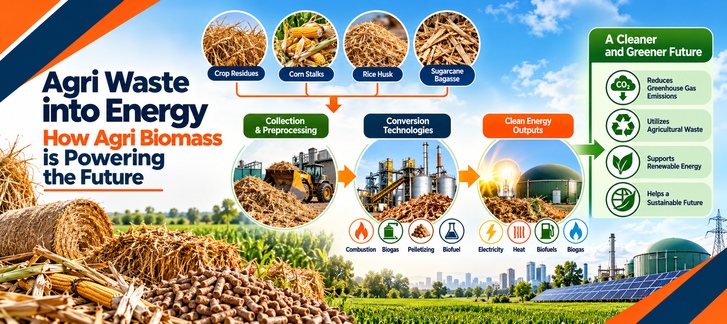
Here you can explore the environmental benefits of biomass!
From Ancient Fields to Modern Plates: A Quick History:
The story of the rice bran stretched back thousands of years across Asia, where rice has always been a foundational crop. Historically, traditional communities practice manual stone milling. They consumed whole grain bran included unknowingly to protect themselves from various nutritional deficiencies.
The turning point came with the industrial revolution in the rice field. Because mechanized rice mills' invention in the 19th century changed everything. White rice became a status symbol because it lasted longer on shelves and was easier to chew. Unfortunately, this shift led to a widespread outbreak of beriberi (a severe vitamin B1 deficiency) across Asian populations. This is because the vital thiamine hidden in the rice bran has been completely stripped away.
The value of the bran layer was rediscovered once scientists connected the dots. Therefore, modern stabilization technologies allow us to preserve this historical superfood without spoiling it today. While these technologies also bridge ancient agricultural wisdom with modern health requirements.
Here you can check out agri biomass!
Powerful Rice Bran Benefits for Your Body:
Incorporating rice bran into your lifestyle offers a massive ripple effect of wellness benefits. Because it is highly bioavailable, your body can easily absorb its dense nutrient matrix.
1) Superior Heart Health Support
Rice bran is the world's only natural source of gamma-oryzanol, a unique antioxidant compound. Clinical studies show that gamma-oryzanol actively blocks cholesterol absorption in your gut, helping to lower harmful LDL cholesterol while keeping your cardiovascular system clean.
2) Blood Sugar Regulation
Because it is loaded with soluble fiber, rice bran slows down the digestion of carbohydrates. This prevents the sudden, exhausting insulin spikes that leave you feeling sluggish, making it a fantastic dietary addition for metabolic health.
3) Glowing, Radiant Skin
There is a reason rice bran is a holy grail ingredient in Japanese and Korean skincare. Packed with Vitamin E (specifically tocotrienols) and ferulic acid, it neutralizes free radicals, hydrates deeply, and fades dark spots when applied topically or consumed regularly.
Creative Rice Bran Uses:
You don’t have to eat spoonfuls of raw powder to enjoy this ingredient. It is highly versatile and fits seamlessly into a modern kitchen:
1) Smoothies and Shakes: Toss a tablespoon of stabilized rice bran powder into your morning green smoothie for an instant fiber and protein upgrade.
2) Baking Substitute: Swap out up to 20% of regular flour in your pancake, muffin, or bread recipes with rice bran to add a rich, nutty flavor profile.
3) Rice Bran Oil: Known as the "olive oil of the East," this oil has an incredibly high smoke point (490°F / 254°C). It is perfect for stir-frying, searing, or baking without breaking down into harmful compounds.
\What Science Says: Research on Rice Bran:
The global scientific community is heavily invested in studying the clinical applications of this grain layer. Recent peer-reviewed studies highlight its therapeutic potential well beyond basic nutrition.
Research focused on gut health indicates that the unique fiber structure in rice bran ferments efficiently in the colon, producing short-chain fatty acids (SCFAs) like butyrate. These compounds strengthen the gut lining and reduce systemic inflammation. Furthermore, oncological researchers are investigating the rice bran compound IP6 (Inositol hexaphosphate) for its antioxidant properties and its potential role in supporting immune health during standard medical therapies.
The Future of Rice Bran: Sustainability and Beyond:
As the world pivots toward sustainable food systems, rice bran is positioned to play a massive role. Upcycling this milling byproduct means we can produce high-value nutrients without utilizing extra land or water resources.
We are already seeing a massive surge in rice bran protein isolates as a hypoallergenic alternative to soy or whey. In the coming years, expect to see it utilized everywhere—from biodegradable food packaging to advanced plant-based meat texturizers. It is the ultimate definition of green, zero-waste nutrition.
The Bottom Line:
So, what is rice bran? It is far more than just a byproduct of the milling industry. It is a dense, historical, and scientifically backed superfood that protects your heart, fuels your gut, and honors sustainable farming practices.
Whether you choose to cook with its high-smoke-point oil, bake its stabilized powder into your breakfast, or use it to brighten your skincare routine, adding this single ingredient to your daily life is an effortless way to upgrade your health.
Frequently Asked Questions (FAQ)
What is rice bran good for?
Rice bran is excellent for lowering LDL ("bad") cholesterol, supporting digestive health, and regulating blood sugar levels. Because it is highly concentrated with dietary fiber, B-complex vitamins, and unique antioxidants like gamma-oryzanol, it acts as a functional food that protects heart health and reduces systemic inflammation.
Is rice bran healthy to eat every day?
Yes, eating stabilized rice bran every day is safe and highly beneficial for most individuals. A standard daily serving of one to two tablespoons can significantly increase your daily fiber and mineral intake. However, because it is very rich in fiber, it is best to start with a smaller amount and drink plenty of water to let your digestive system adjust.
What is the difference between rice bran and white rice?
Rice bran is the nutrient-dense, fibrous outer shell of the brown rice kernel, whereas white rice is just the starchy inner part (the endosperm) left behind after the bran and outer hull are completely milled away. Rice bran contains almost all of the grain's vitamins, minerals, and healthy fats, while white rice is primarily carbohydrates.
Does rice bran cause side effects?
For most people, rice bran does not cause side effects. However, due to its exceptionally high fiber content, consuming large amounts too quickly can cause temporary bloating, gas, or mild stomach cramps. Additionally, individuals with digestive tract conditions like ulcers or adhesions should consult a doctor before adding coarse bran to their diet.
Is rice bran gluten-free?
Yes, rice bran is naturally 100% gluten-free. It is an excellent, nutrient-rich alternative for individuals dealing with celiac disease, gluten sensitivity, or those following a strict wheat-free diet. Always ensure the product packaging states it was processed in a dedicated gluten-free facility to avoid cross-contamination.