What Is Sugarcane Bagasse? | Bagasse Uses & Products
Discover sugarcane bagasse, the eco-friendly fibrous byproduct of sugar production. Explore its sustainable uses, bioenergy power, and daily green products.

Introduction - Sugarcane By-Product:
Sugarcane is a widely known crop especially for its sweet juice extracted from its stalks. But the story of this valuable crop does not end when the juice is removed from the stalks. What remains behind is a fibrous material with remarkable potential known as sugarcane bagasse.
Bagasse is increasingly becoming an important raw material for renewable energy. Once treated largely as agricultural waste. This biomass product is also used in packaging, paper, construction, and other industries as well. As businesses and consumers search for alternatives to plastic and fossil-fuel-based materials on a daily basis. Therefore, this sugarcane by-product is gaining new economic and environmental importance now a days.
So, what is sugarcane bagasse and why is it attracting so much attention around the world? The answer is really interesting from its origins to its wide range of applications. Because bagasse demonstrates how agricultural waste can be transformed into a valuable resource.
What Is Sugarcane Bagasse?
Sugarcane bagasse is the dry and fibrous residue. As this residue leaves after sugarcane stalks are crushed to extract their juice. Sugarcane is passed through mills in which the sugary liquid is squeezed out during sugar production. While the remaining fibrous material from sugar production is known as bagasse.
Bagasse is primarily composed of cellulose, hemicellulose, and lignin. While these natural fibers give bagasse strength and also make it suitable for a wide range of industrial applications.
Instead of disposing of this valuable material, So, sugar mills can process and reuse it while creating additional value from the same crop.
This makes bagasse an excellent example of a circular economy. Where agricultural residues are converted into useful products rather than becoming waste.
Read More: Biogas Energy
Why Is Sugarcane Bagasse Important?
Sugarcane bagasse's growing interest is closely connected to the global shift toward sustainability.
Traditional products such as plastic packaging and paper made exclusively from virgin wood pulp are important products. While fossil-fuel-based industrial materials can also have significant environmental footprints. Bagasse provides an opportunity to replace some of these materials with a renewable agricultural resource.
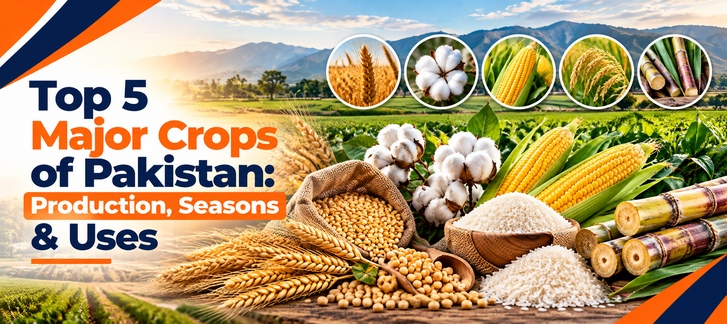
Another advantage of bagasse is its vast availability in agricultural countries. Sugar cane is extensively cultivated in countries such as Brazil, India, Pakistan, Thailand, and China as well. But the truth is that the large sugar industries naturally generate substantial quantities of bagasse.
Producers can turn this trash into energy, packaging, paper, and other commercial products. Rather than seeing this residue as a disposal problem or waste material for them.
Major Sugarcane Bagasse Uses
The versatility of bagasse is perhaps its most impressive characteristic. Its applications extend well beyond the sugar mill.
1) Renewable Energy
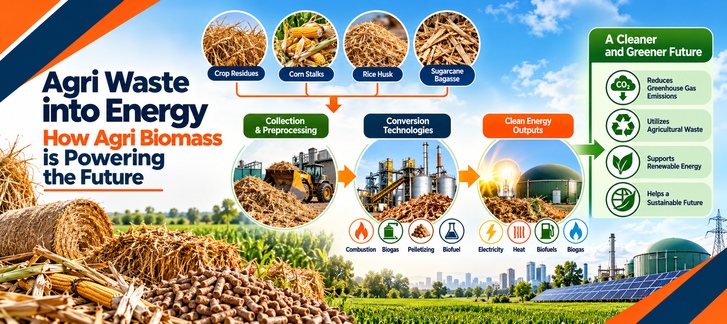
One of the most established sugarcane bagasse uses is energy generation.
Sugar mills can burn bagasse in specialized boilers in order to produce steam and electricity as well. Steam can power industrial processes, while excess electricity can potentially be supplied to the grid where regulations and infrastructure allow.
This creates an efficient system in which a sugar mill can use its own agricultural residues. While this residue is used to meet part of its energy requirements.
Because bagasse is a biomass resource. Therefore its use can reduce our reliance on conventional fossil fuels.
2) Paper and Pulp
Bagasse can also be processed into pulp for manufacturing paper and paperboard.
This is particularly attractive because it provides an alternative source of fiber for certain paper products without relying entirely on wood.
Bagasse-based pulp can be used to manufacture different valuable items such as:
1) Paper sheets
2) Cardboard
3) Food packaging
4) Disposable plates
5) Paper trays
6) Takeaway containers
The growing demand for sustainable packaging is creating additional opportunities especially for these applications.
3) Biodegradable Food Packaging
Biodegradable food packaging is one of the most visible sugarcane bagasse products today.
Molded bagasse fiber can be turned into plates, bowls, cups, takeaway boxes, and food trays etc. These products are particularly attractive to many businesses. Those businesses who are seeking alternatives to conventional plastic and expanded polystyrene packaging.
Many bagasse-based products can biodegrade under suitable conditions. After appropriate use and disposal of these products, this is acceptable.
These uses make them increasingly popular among restaurants and food-service companies. Meanwhile caterers, and environmentally conscious consumers also take an interest in these products.
4) Animal Feed
Under appropriate processing and formulation, sugarcane residues can also have applications in animal nutrition. However, raw bagasse is highly fibrous. This is because it has limited nutritional value compared with conventional feed ingredients.
For this reason, its use as animal feed requires careful processing. As it also requires appropriate nutritional management.
5) Compost and Soil Applications
Bagasse can be incorporated into composting systems. Because it's used as an organic material.
Its fibrous structure contributes carbon to compost mixtures. While it can also support the production of soil amendments when properly processed.
This creates another pathway for returning agricultural material to the soil rather than sending it to waste streams.
6) Construction Materials
Research and commercial development have explored bagasse fibers for construction boards. While these fibers also used in insulation materials and composite products.
Its lightweight nature and fibrous composition make it an interesting raw material, especially for sustainable building applications.
As construction industries increasingly explore lower-impact materials for use. Therefore, bagasse-based composites could find wider applications in the future.
Sugarcane Bagasse Products:
The growing commercial value of bagasse has resulted in an expanding range of sugarcane bagasse products.
Some of the most common include:
1) Biodegradable plates
2) Food bowls
3) Takeaway containers
4) Food trays
5) Disposable cups
6) Paper and cardboard
7) Packaging materials
8) Biomass fuel
9) Fiberboard and composite materials
10) Soil and composting materials
These products demonstrate the transition from agricultural residue to industrial raw material.
The same sugarcane crop that produces sugar can therefore contribute to multiple value chains.
Environmental Benefits of Bagasse:
The environmental potential of bagasse extends beyond replacing plastic products.
1) Agricultural Residues: Using agricultural residues improves resource efficiency. Industries can extract additional value from existing agricultural production. Instead of requiring separate raw materials for every product.
2) Bagasse and Energy: Using bagasse for energy can reduce the consumption of conventional fuels especially in sugar-processing facilities.
3) Bagasse-Based Packaging: Bagasse-based packaging can help to reduce the dependence on petroleum-derived plastics in some applications. Where biodegradable fibre products are suitable, they are a good alternative source.
However, sustainability depends on the complete lifecycle of a product. But manufacturing processes, transportation and water use have an impact. While energy consumption and end-of-life disposal all influence the bagasse environmental impact.
Challenges in Using Sugarcane Bagasse:
Bagasse is not a perfect solution for every application. Despite its potential, which makes it a good choice.
Its high moisture content when freshly produced can make storage difficult. But poorly managed storage may lead to degradation or any other quality problems.
Bagasse transportation can also be challenging. Because loose bagasse is bulky relative to its weight. Therefore, efficient baling, drying, storage, and logistics systems for this by-product make a difference. Therefore, it is an important choice for commercial use.
Furthermore, converting bagasse into high-value products requires an investment. While processing technology, manufacturing facilities and quality control have a future in them.
These challenges can be addressed through better supply-chain management and technological development in the bio-mass field.
The Opportunity for Pakistan:
Pakistan has a significant opportunity to expand the commercial utilization of sugarcane and bagasse. This is because sugarcane is an important agricultural crop and the country has a substantial sugar industry as well.
Pakistan can develop stronger value chains around it. Instead of viewing bagasse simply as a residue that is extracted from sugar production only.
Potential opportunities include renewable energy generation and biodegradable packaging. While paper products, biomass applications and other fiber-based materials also have opportunities with bagasse.
This approach could create additional revenue streams for Pakistan's agricultural economy. While this approach also encourages more efficient resource utilization.
The development of bagasse-based industries could also create opportunities for manufacturers and logistics providers. Same as agricultural businesses and commodity traders, they also rely on this industry.
The Future of Sugarcane Bagasse:
The future of sugarcane bagasse will largely depend on innovation.
As governments introduce policies to reduce plastic pollution, businesses search for renewable raw materials. Therefore, agricultural fiber products' demand is likely to receive greater attention as well.
Technology will also determine how much value can be extracted from bagasse. Improved processing techniques can transform relatively low-value residues into high-value materials for packaging and energy. While construction and manufacturing also transform acccoding to this industry.
This creates an exciting possibility: the sugar industry may increasingly become more than a producer of sugar and ethanol. It could become part of a broader bioeconomy in which almost every component of the crop contributes to a useful product.
Final Thoughts:
So, what is sugarcane bagasse? It is the fibrous material that is left after sugarcane juice extraction. But there is another thing which is its potential that is far greater than that simple definition suggests.
Whether it's renewable energy, paper to biodegradable packaging or construction materials. Sugarcane bagasse uses continue to expand in many fields. That's why, the growing market for sugarcane bagasse products demonstrates how agricultural residues can become valuable resources. This is especially in a more circular and sustainable economy that relies on this by-product.
Bagasse represents an opportunity to improve resource efficiency and develop new industries in sugar-producing countries such as Pakistan. Because it generates additional value from an existing agricultural supply chain.
What was once considered leftover material is becoming a symbol of a different approach to agriculture and industry. Because it has less waste, more value, and is a smarter use of resources and especially already available.
References:
Wikipedia: Bagasse
Green Paper Products: What is Sugarcane Bagasse?