Environmental Effects of Biomass Energy | A Complete Guide
Environmental effects of biomass energy help to waste reduction but are also responsible for the excessive carbon in the atmosphere.
Introduction
As the global focus moves towards renewable energy to address climate change, biomass energy is emerging as a viable substitute for fossil fuels. This energy source comes from organic materials like agricultural waste, wood, and animal byproducts, making it renewable since these materials can regenerate naturally. Nonetheless, it is crucial to assess the environmental impacts of biomass energy to grasp its potential contribution to sustainable development. This article offers a professional analysis of the pros and cons of biomass energy concerning its environmental effects.
What Is Biomass Energy?
Burning, gasifying, or fermenting organic materials creates biomass energy. We can harness this energy to produce electricity, heat, or biofuels like ethanol and biodiesel. In several developing nations, including Pakistan, biomass continues to be an essential source of energy for rural areas and industrial heating. Bioenergy is a readily accessible and dependable form of renewable energy. Utilizing biomass for electricity generation can also aid in waste reduction. Nonetheless, there are drawbacks to keep in mind: biomass can be more costly to collect, transport, and store than other electricity sources.
Advantages of Biomass Energy:
Renewable and Plentiful
Biomass resources are easily accessible, particularly in farming regions. Materials like crop leftovers, forest debris, and animal waste can be transformed into energy. Biomass resources can regenerate in a much shorter time than fossil fuels, which take millions of years to form again. Therefore, we will not deplete biomass for energy generation.
Carbon Neutral Possibility
With proper management, biomass energy can achieve close to carbon neutrality. The carbon dioxide emitted during burning is balanced by the carbon that plants absorb while they grow.
Waste Reduction
Biomass energy helps manage agricultural, industrial, and municipal waste by converting it into energy. This reduces the burden on landfills and mitigates environmental pollution.
Waste Minimization
A lot of items in landfills are dangerous and toxic. If not handled properly, these materials can pollute our land, air, and water, which can harm the environment and human health. Biomass energy plays a key role in handling waste from agriculture, industry, and municipalities by transforming it into usable energy. This process lessens the pressure on landfills and helps decrease environmental pollution.
Energy Independence and Rural Growth
Biomass energy promotes a diverse energy supply and lowers reliance on imported fossil fuels. Additionally, it generates jobs in rural communities through the collection, processing, and transport of biomass resources.
Integration with Current Systems
Current power plants and heating systems can frequently incorporate biomass with little adjustment, making it an economical choice for renewable energy. Seasonal changes may affect some biomass resources, but biomass energy plants can always operate to generate power, no matter the weather conditions.
Disadvantages and Environmental Issues:
Air Quality Issues
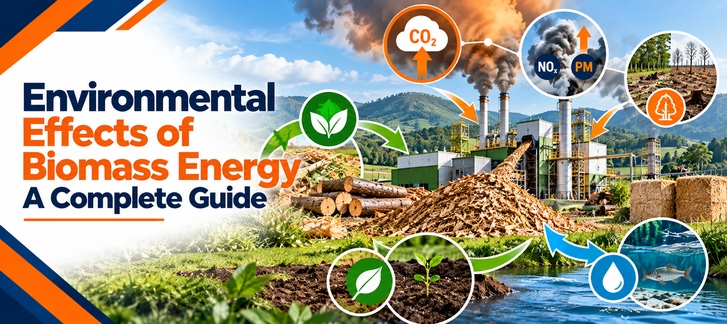
Burning biomass can release harmful substances like particulate matter, carbon monoxide, and nitrogen oxides. If emission control measures are not in place, these pollutants can worsen air quality and lead to respiratory health problems. The emissions and pollutants produced by biomass can be more harmful than those from fossil fuels. These pollutants negatively affect both the environment and human health.
Negative environmental effects
Cultivating crops specifically for bioenergy demands significant water usage, as all plants require water to thrive. Constantly irrigating these crops can increase the risk of drought in the region.
Adopting sustainable land-use methods, engaging in re-planting initiatives, and embracing technological advancements can reduce the negative effects of bioenergy on the environment and health.
Deforestation and Changes in Land Use
Unsustainable extraction of biomass, especially wood, can result in deforestation and a decline in biodiversity. Additionally, the growth of energy crops may compete with food production, altering land use practices.
Water Consumption and Contamination
The processing of biomass materials often requires large quantities of water. Additionally, runoff from biomass activities can lead to the introduction of nutrients and contaminants into surrounding water sources.
Carbon Liability
Biomass has the potential to be carbon neutral; however, poor harvesting and transportation methods can lead to higher emissions. Carbon debt describes the duration needed for new plant growth to balance out the carbon emitted during burning.
Reduced Energy Density
Biomass typically has a lower energy density compared to fossil fuels, which means that we need a greater volume of material to generate the same energy output. This impacts both efficiency and transportation expenses.
Environmental Effects of Biomass Energy in Pakistan:
In Pakistan, biomass energy is crucial for heating and cooking in rural areas. Unfortunately, the open burning of agricultural waste, such as wheat and rice husk, leads to significant air pollution, especially near urban areas. To address these issues, sustainable biomass projects like biogas plants and biomass briquetting are being encouraged.
Collaboration between the government and private sector is vital for creating biomass policies that emphasize:
Sustainable sourcing
Technologies to control emissions
Promotion of clean cooking methods
Awareness programs and training for farmers
Final Thoughts:
The environmental impact of biomass energy is multifaceted, featuring both advantages and disadvantages. It provides renewable, low-carbon energy along with socioeconomic benefits, but misuse can result in significant environmental harm. The future of biomass energy in Pakistan and elsewhere relies on the implementation of sustainable practices, advanced technologies, and strong regulatory systems.
It is essential to weigh the pros and cons of biomass to fully harness its potential as a clean energy solution.