From Cement to Corn: Why Zarea Expanded into Agriculture
We're going beyond bricks – here's why agri-commerce was the next step.

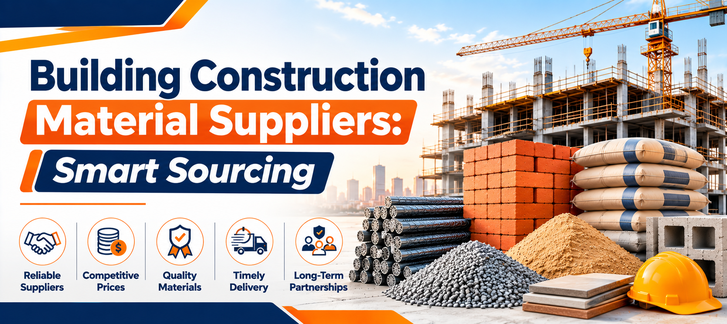
When we first launched Zarea, we were laser-focused on a singular mission: to digitize Pakistan's procurement and bring order, speed, and transparency to a chaotic, old-school marketplace. We made it our business to revolutionize construction and quickly become a trusted name in the construction supply chain.
But as we scaled, we didn't just see growth – we saw patterns. And one pattern kept screaming for attention: agriculture was facing the same fragmentation, inefficiency, and archaic processes that we saw and solved in construction.
So we asked ourselves the bold question:
What if Zarea's digital engine could transform not just buildings, but also the backbone of Pakistan's economy – agriculture?
The answer was a resounding yes. Here's why it was necessary:
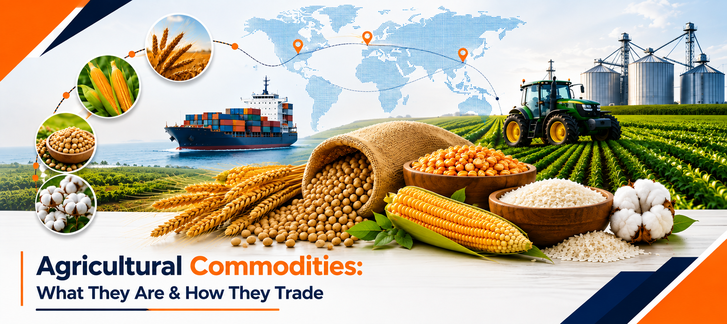
Agriculture is the Heart of Pakistan – But It's Beating in Slow Motion
Let's look at the facts. Agriculture accounts for nearly 20% of Pakistan's GDP and employs over 35% of the labor force. It feeds the nation, fuels exports, and supports millions of livelihoods – farmers, suppliers, processors, and the supply chain.
And yet, it's one of the least digitized, least supported, and most inefficient sectors out there. Farmers still sell supplies off paper, get dirt-cheap prices – with little protection, planning, or real-time data.
We've seen it before. This is exactly how construction sourcing looked before Zarea stepped in.
Building a Future That Feeds and Builds the Nation
From cement to corn, Zarea's mission remains the same:
Digitize trade. Empower buyers and suppliers. Drive sustainable growth. Commission builders. And cities. Agriculture feeds them.
We're here to power both – and we're just getting warmed up.